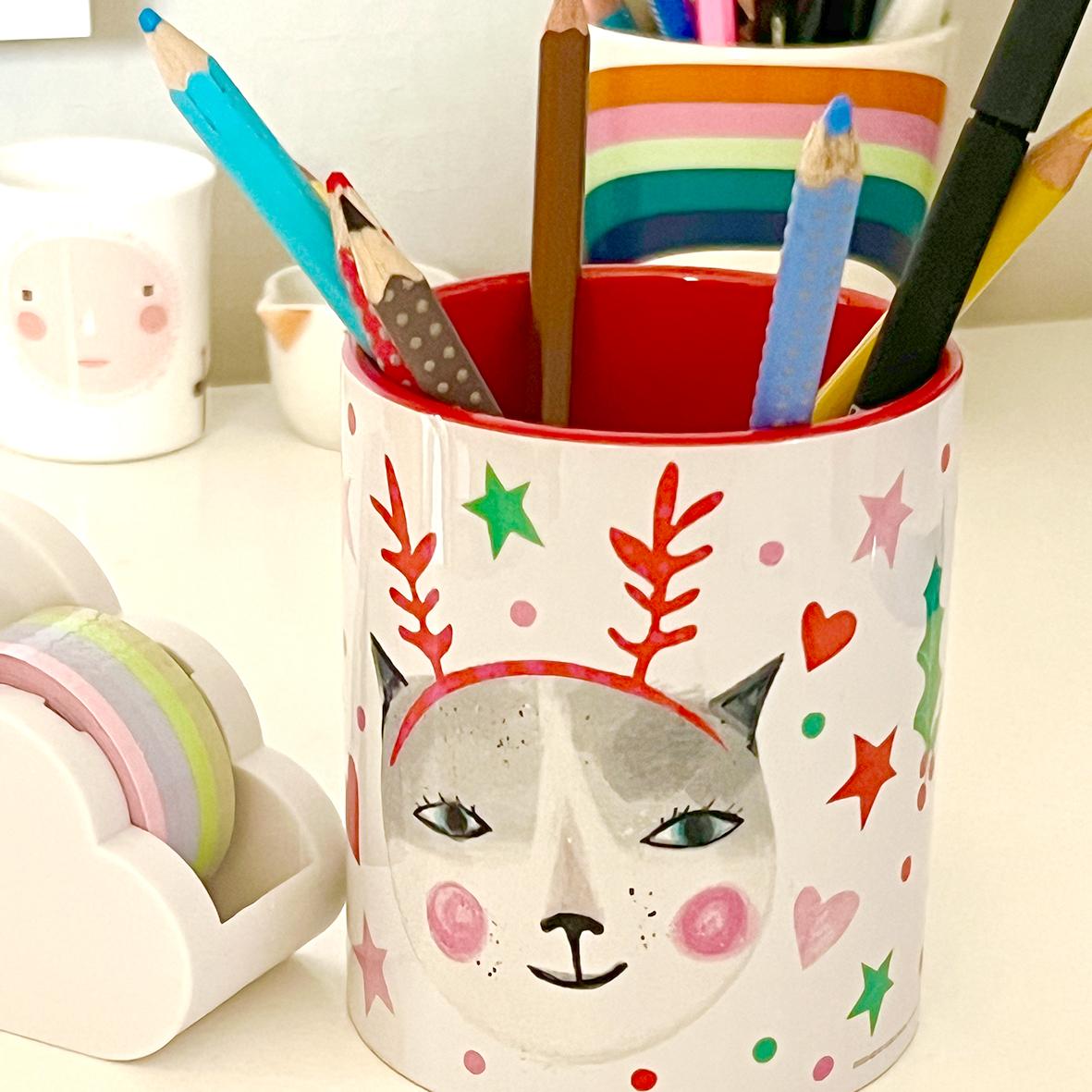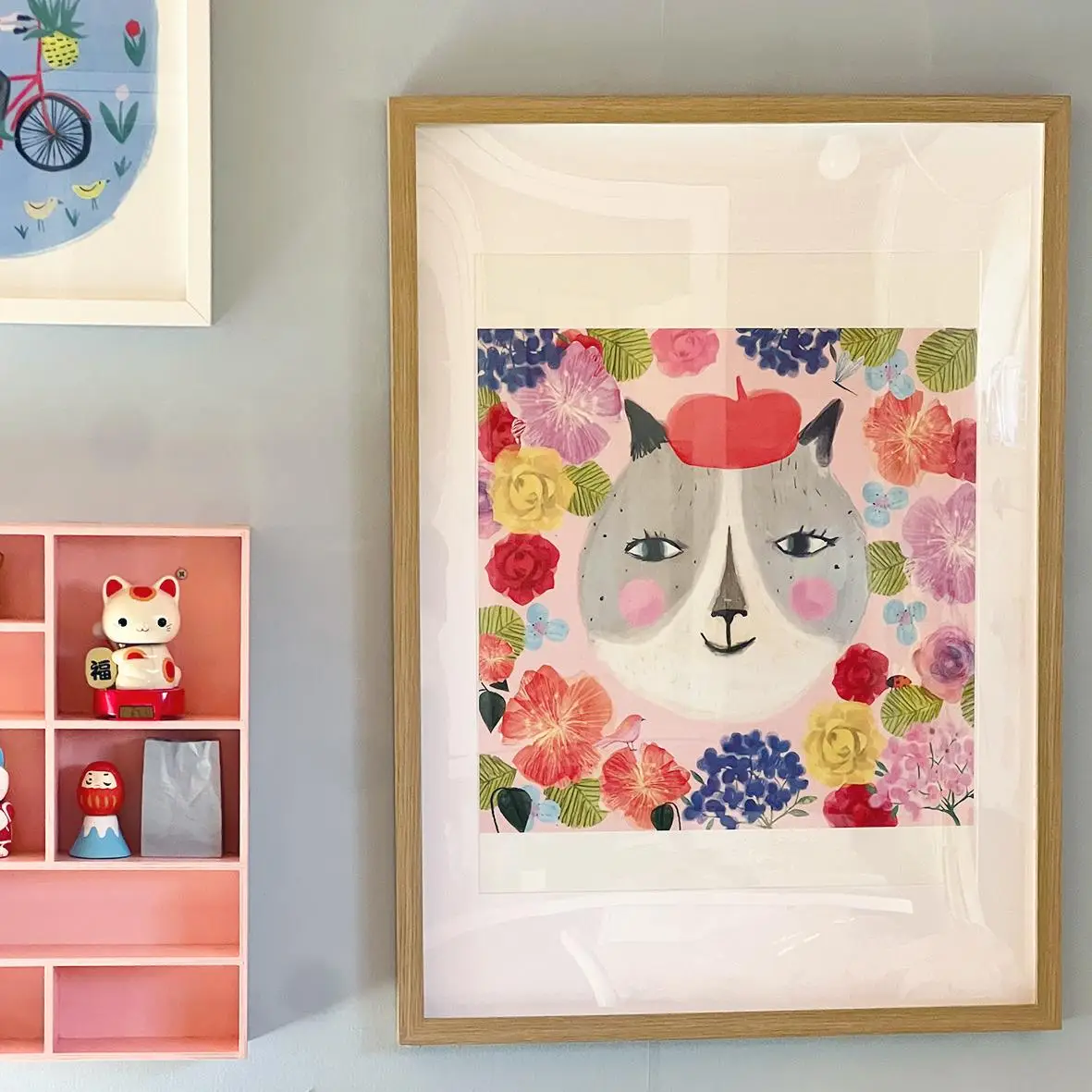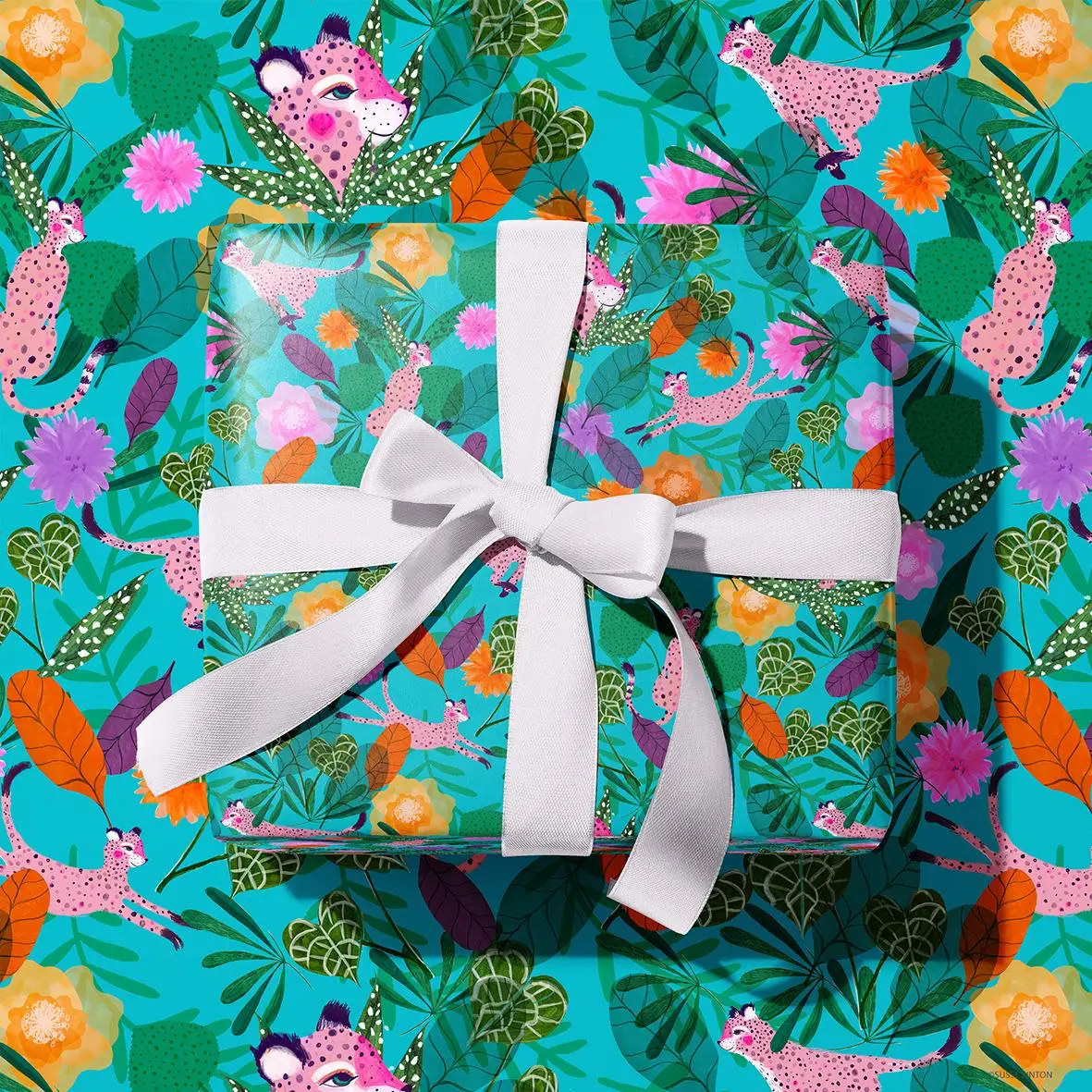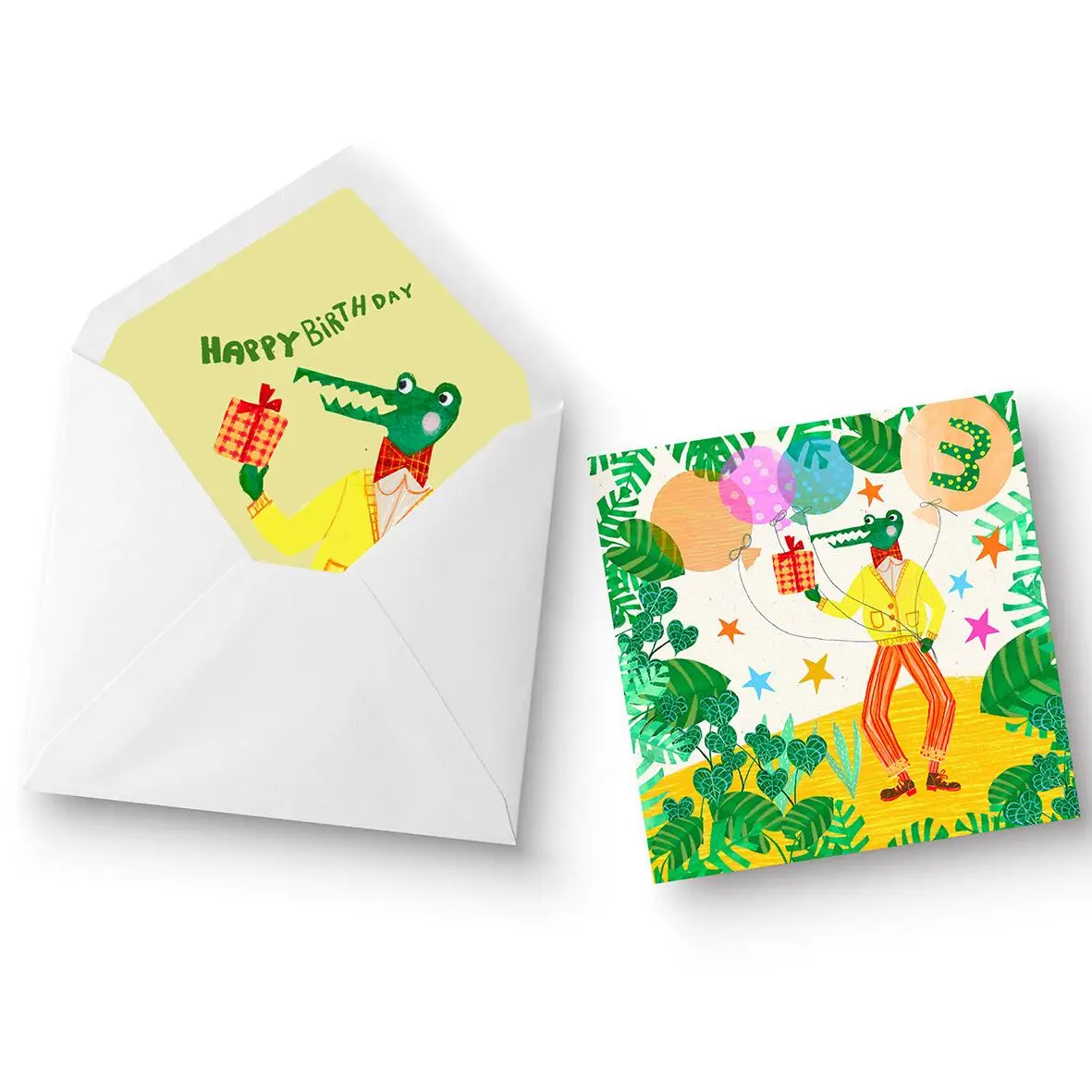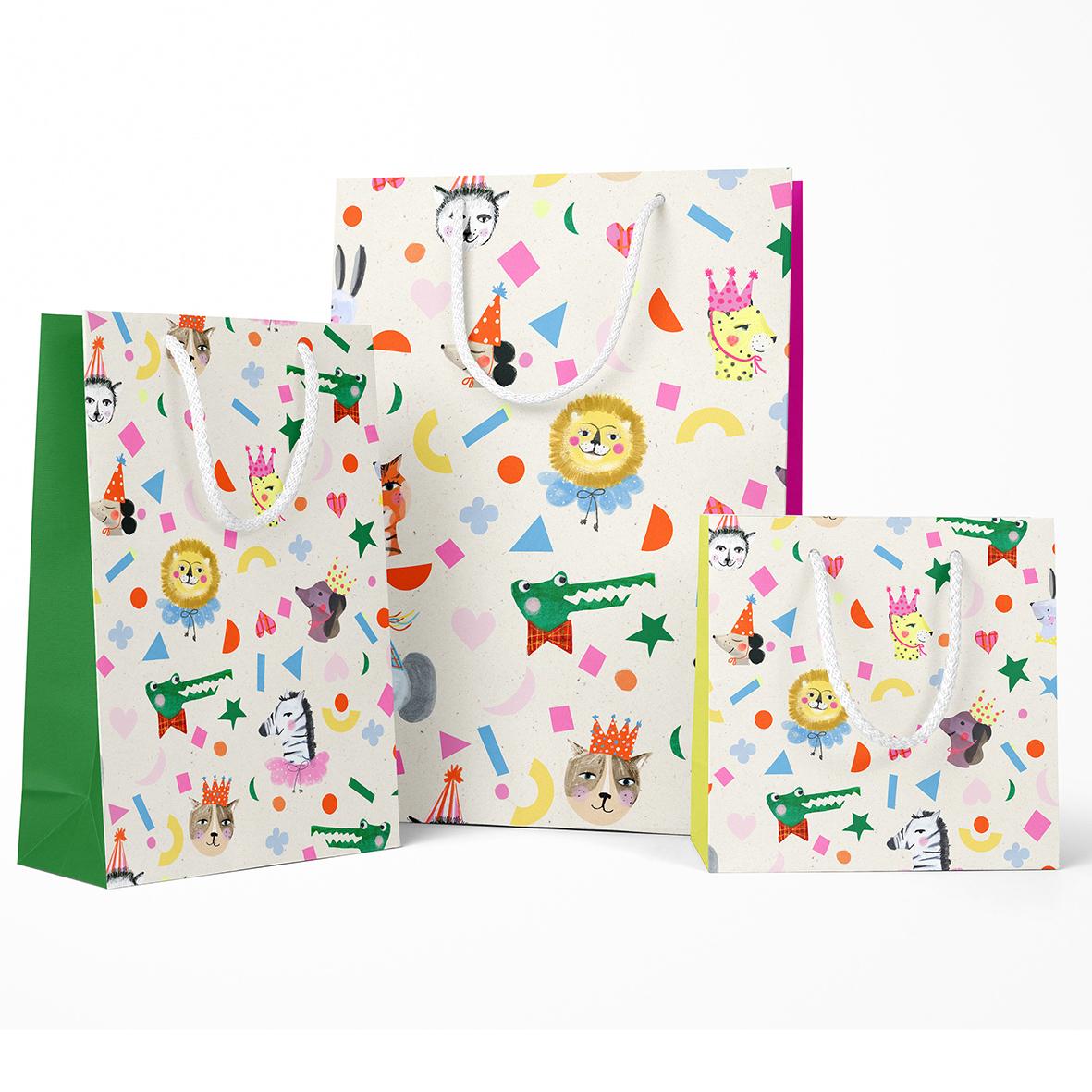
Our new interview series introduces our designers - their insights into print design, their design process, inspirations, and more!
Susse Linton
First in the series is Susse Linton, a Sweden-based designer born in Edinburgh, Scotland. Susse has a deep love for cute & happy things – whish we love! LET’S DIVE IN!
Can you tell us a little about yourself and how you first discovered print design?
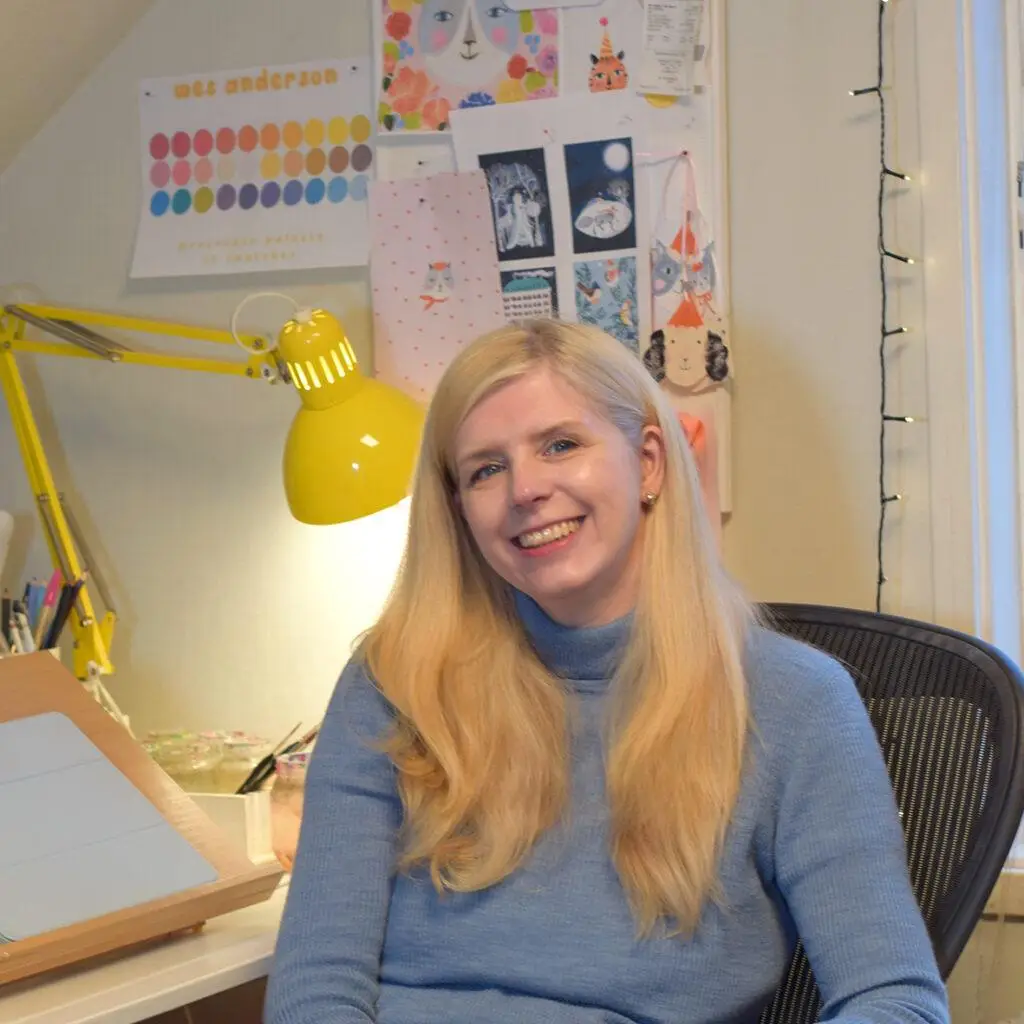
Hi, my name is Susse Linton. I am an illustrator, surface pattern designer, and licensing artist. I grew up in Edinburgh, Scotland. My creative work has taken me around the world.
I spent most of my time in London, working for print studios, then several years in Sydney, Australia. Now I live in southern Sweden in Älmhult with my husband, who is from New Zealand, and my teenage son, who was born in Australia. We are an international family.
I first discovered surface pattern design and printed textiles at art school. My high school art teacher encouraged me to take life drawing evening classes at Edinburgh College of Art. I built up my portfolio to apply. I loved those classes and realized I wanted to study there. I was very lucky—I was offered a place at 17 and started my art degree at Edinburgh College of Art. I was thinking of studying painting or graphic design, but I had a block of printed textiles in my first year and loved it.
That was the beginning of my journey with printed textiles.
Was there a moment when you knew “This is what I want to do”?
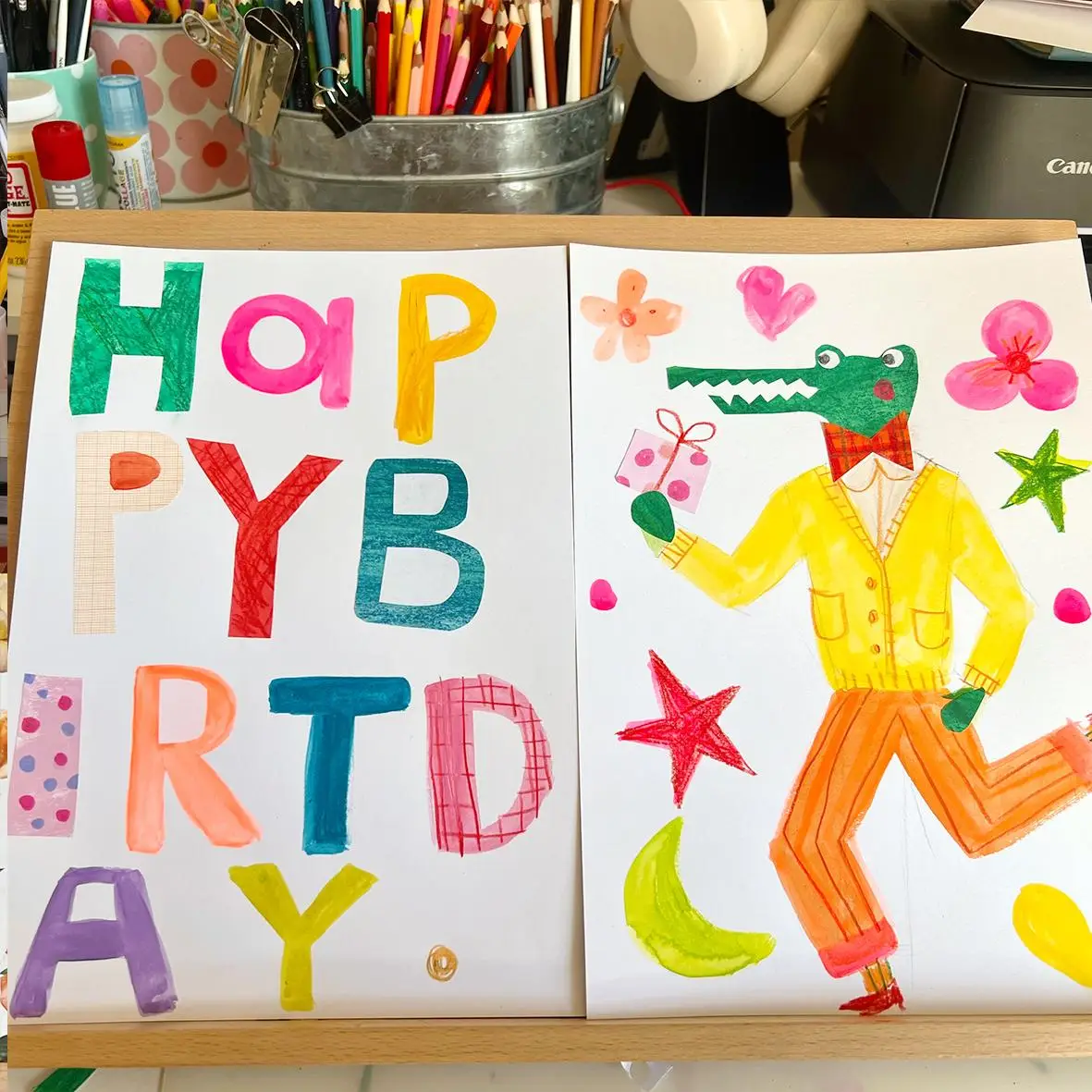
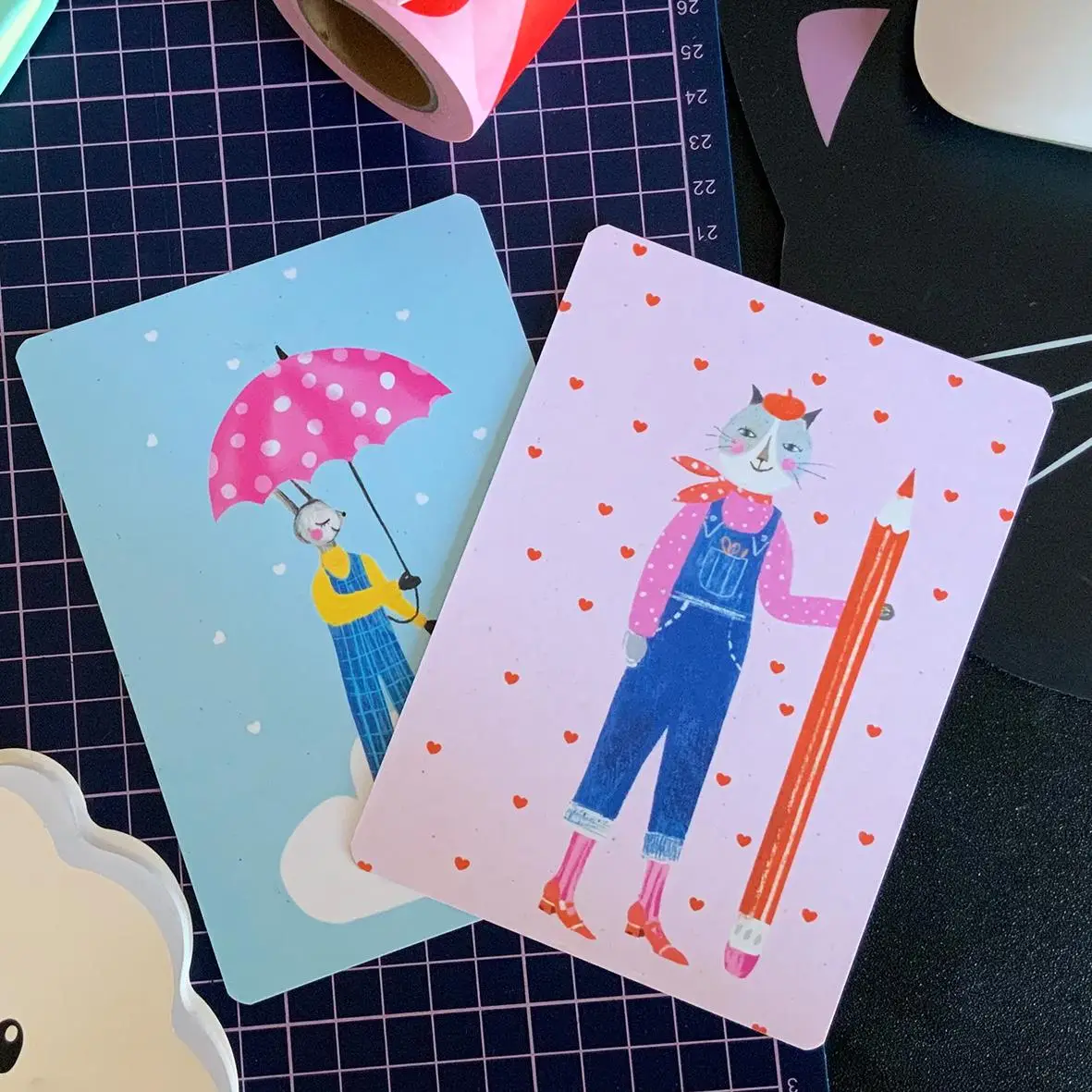
I’ve always been creative and grew up in a creative environment. Most of my relatives had creative businesses or worked in creative jobs. I’ve always loved making greeting cards for people, ever since I was very small. Now I license my designs to card companies through my agent at Creative Sparrow in the UK.
I love the craft of working with textiles, and I love colour. As a small child, my Danish grandmother taught me how to sew, knit, and make embroideries.
After finishing my degree at Edinburgh College of Art, I showcased my work at “New Designers” in London. There, I received my first design job creating panels and interior products for a restaurant. My work appeared in magazines like “Creative Review” and was exhibited at the Design Centre in London. That exposure gave me the confidence to pursue a design career. That was the moment I knew this was what I wanted to do.
I’m grateful for this creative life. I loved working at London print studios pre-internet – collaborating with creative people and traveling to trade shows in Milan, Paris, and New York to present portfolios in person. Now everything is done by email and online.
Looking back, it was definitely during my degree in printed textiles that I knew I wanted to continue after art school.
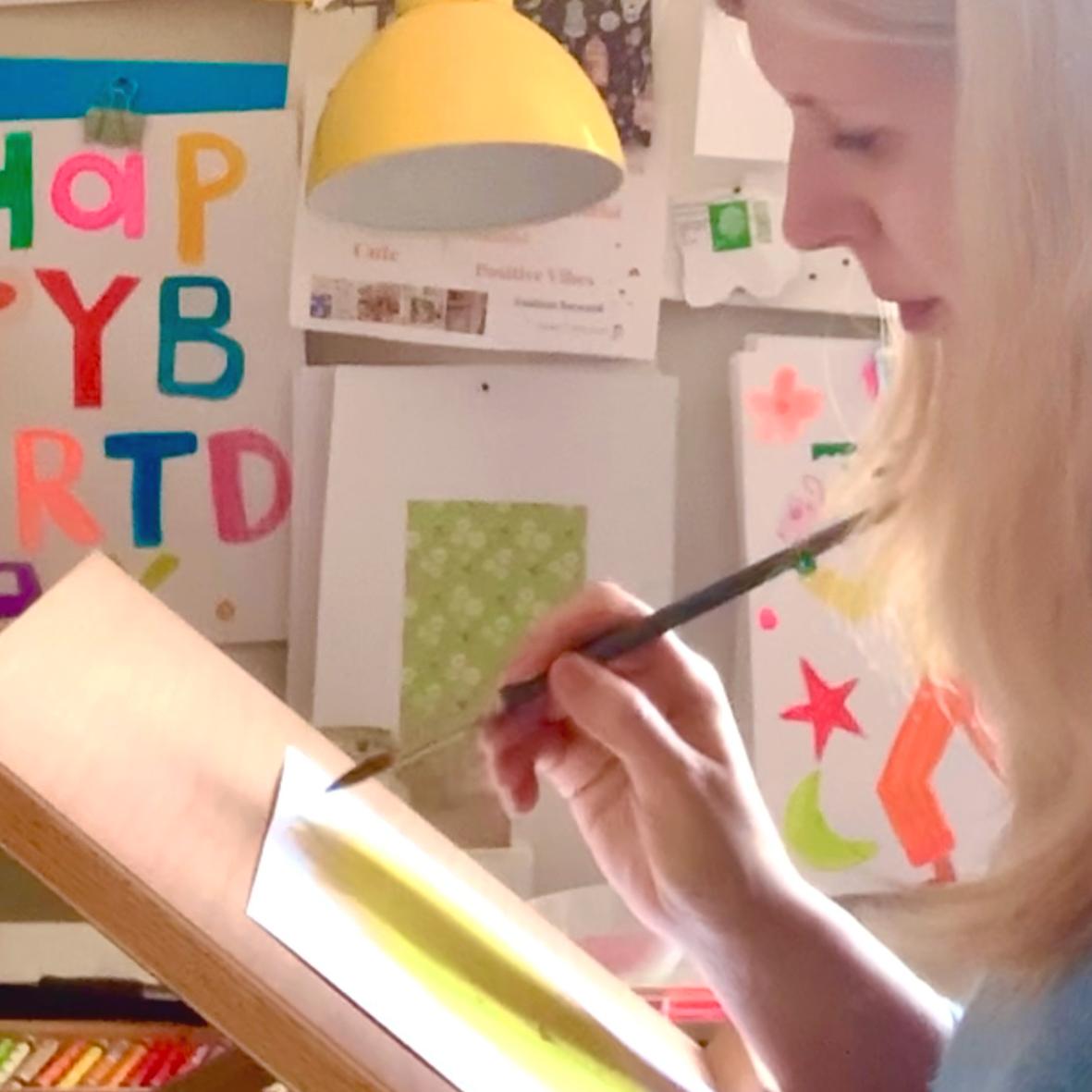
What were your first steps in developing your print or illustration style?
Working in-house at a print studio, I learned a lot. When I started my work was not about a certain style then. It was following the catwalk trends, what was in the stores, and designing for client needs. My work was very different then. I hand-painted delicate florals onto chiffon silk and hand-embroidered beads. Sell my designs to high end fashion brands.
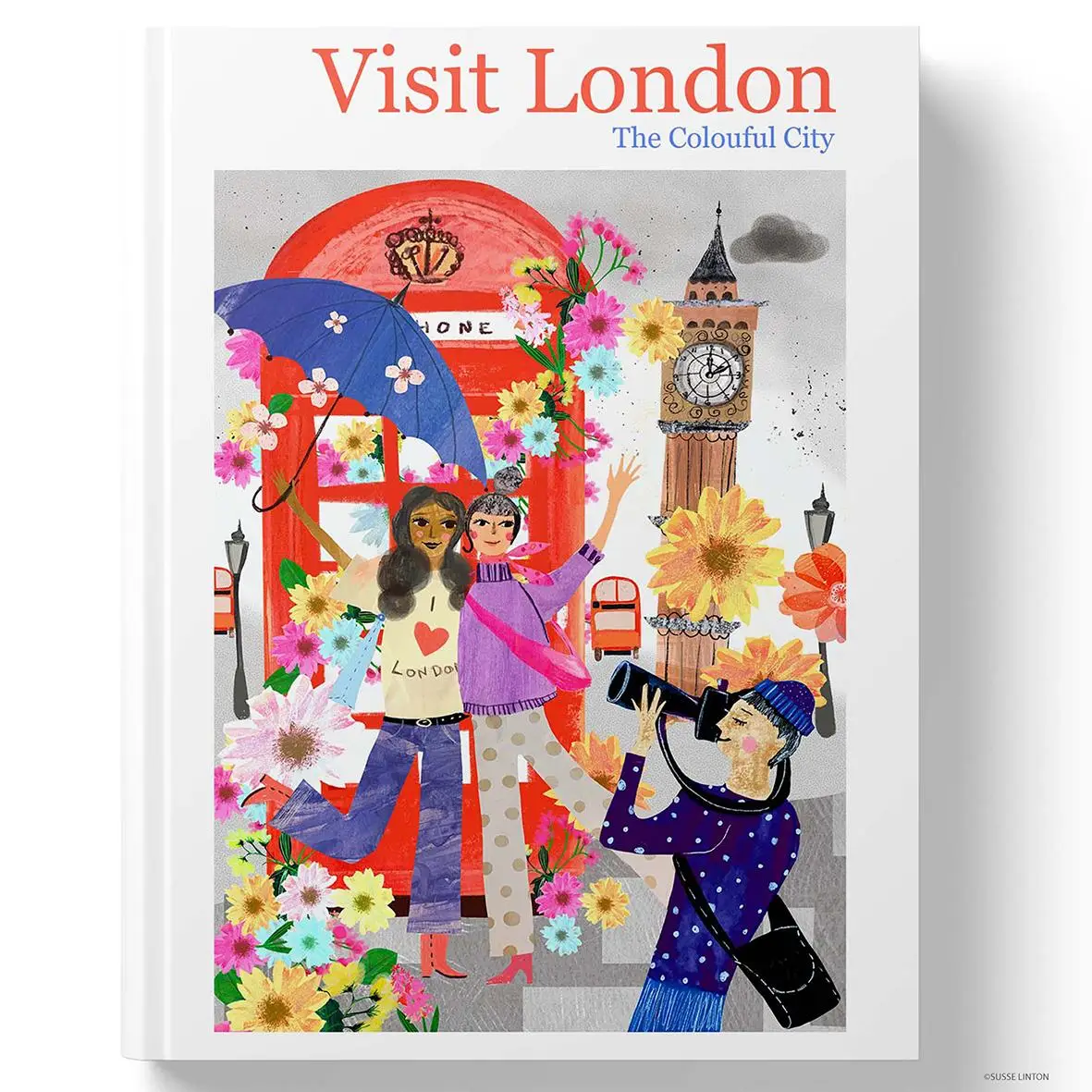
My style has evolved over the years as I’ve developed my own brand. I ran a fashion accessory brand for a couple of years that sold well in Japan. I was fortunate to visit Japan and see my products in department stores there. That’s where my cute style started to evolve. Currently, I work through my licensing agent in the UK—she was attracted to my cute characters and style of working. She has been successful in finding clients that are looking for my style.
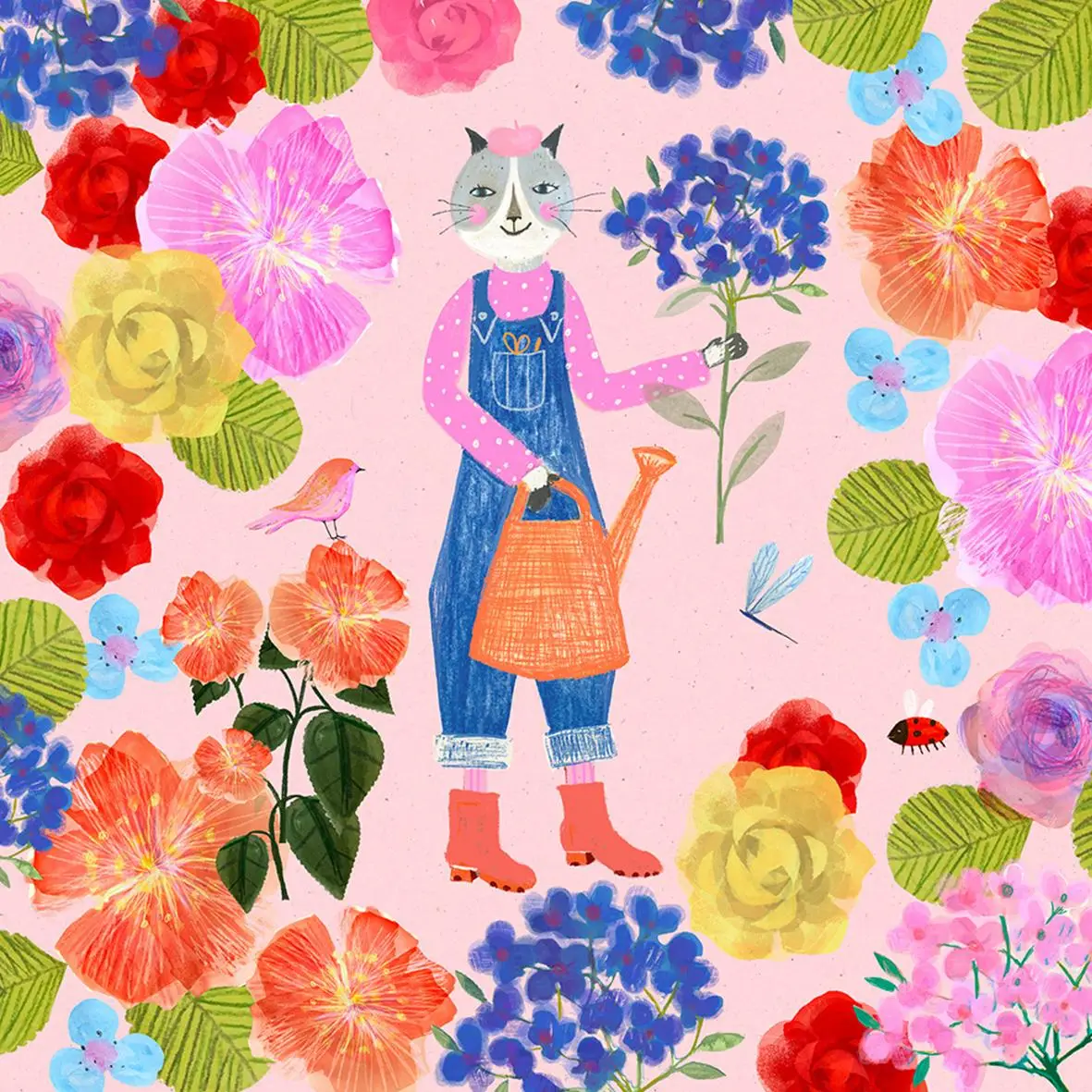
I think the things I love come through in my style—I just love cute, happy things.
CREATIVE PROCESS & INSPIRATION
What inspires your work the most right now?
My location strongly influences my style. Living in Sweden has shaped my work significantly. It was a huge change from central London, where people, fashion, and art were my main inspirations.
In Sweden, I’ve fallen in love with nature. I look out my window—there’s a fawn sitting under a tree. I’ve always loved vintage and mid-century design. I grew up with it in a Scandinavian household. My Danish dad was an architect, so our home was filled with ’60s and ’70s pieces. On weekends, you can find me at loppis (flea markets), hunting for hidden gems—books, cards, and textiles that inspire my work. Travel has always had a huge impact on my work.
Where do you usually start when creating a new print?
I usually get a mood board or brief for a project or my agent. I also like to gather inspiration folders and seek out trends. I collect vintage books for inspiration too.
The first thing I do is write—I write down words, a drawing list, and feelings, then take it to something visual and create a mood board.
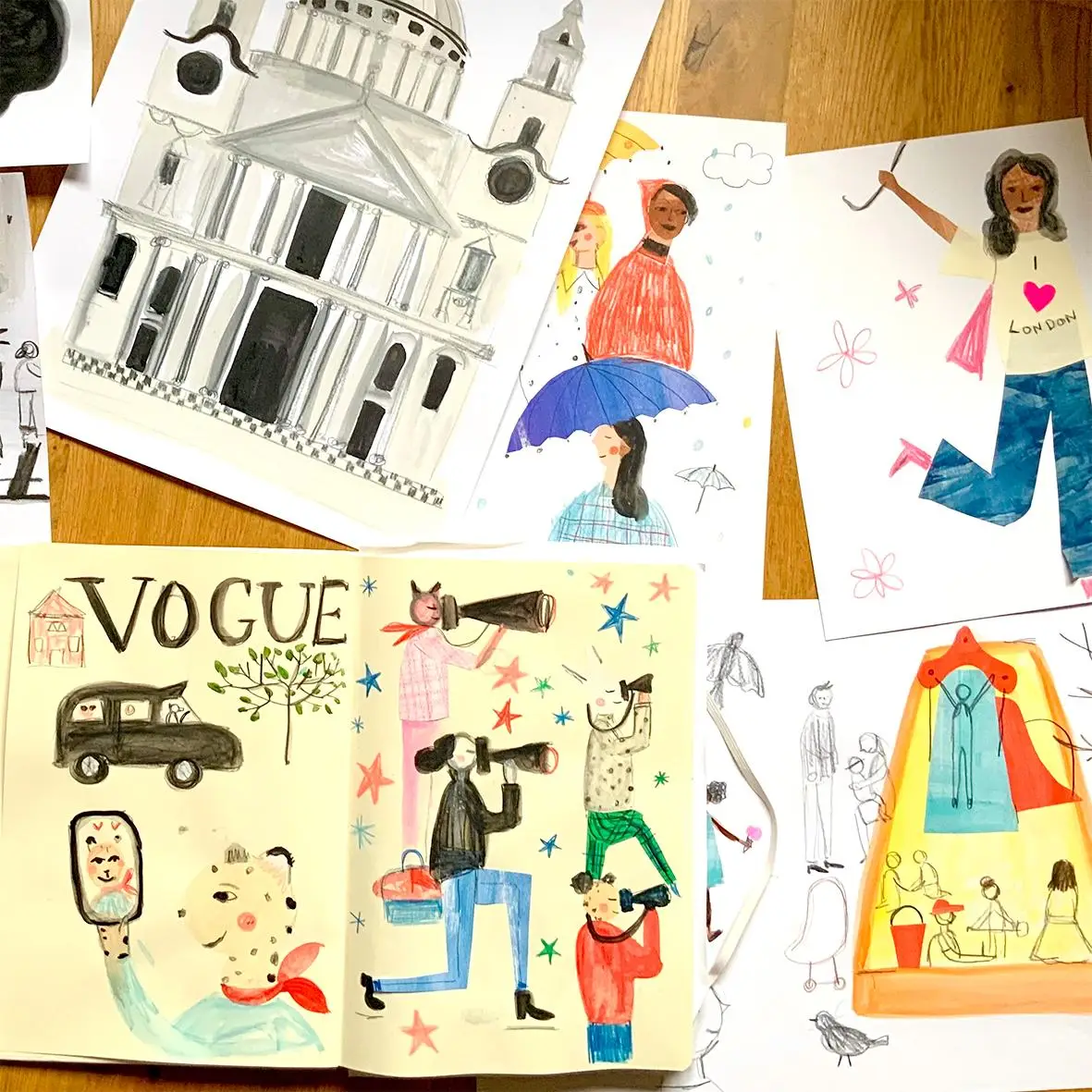
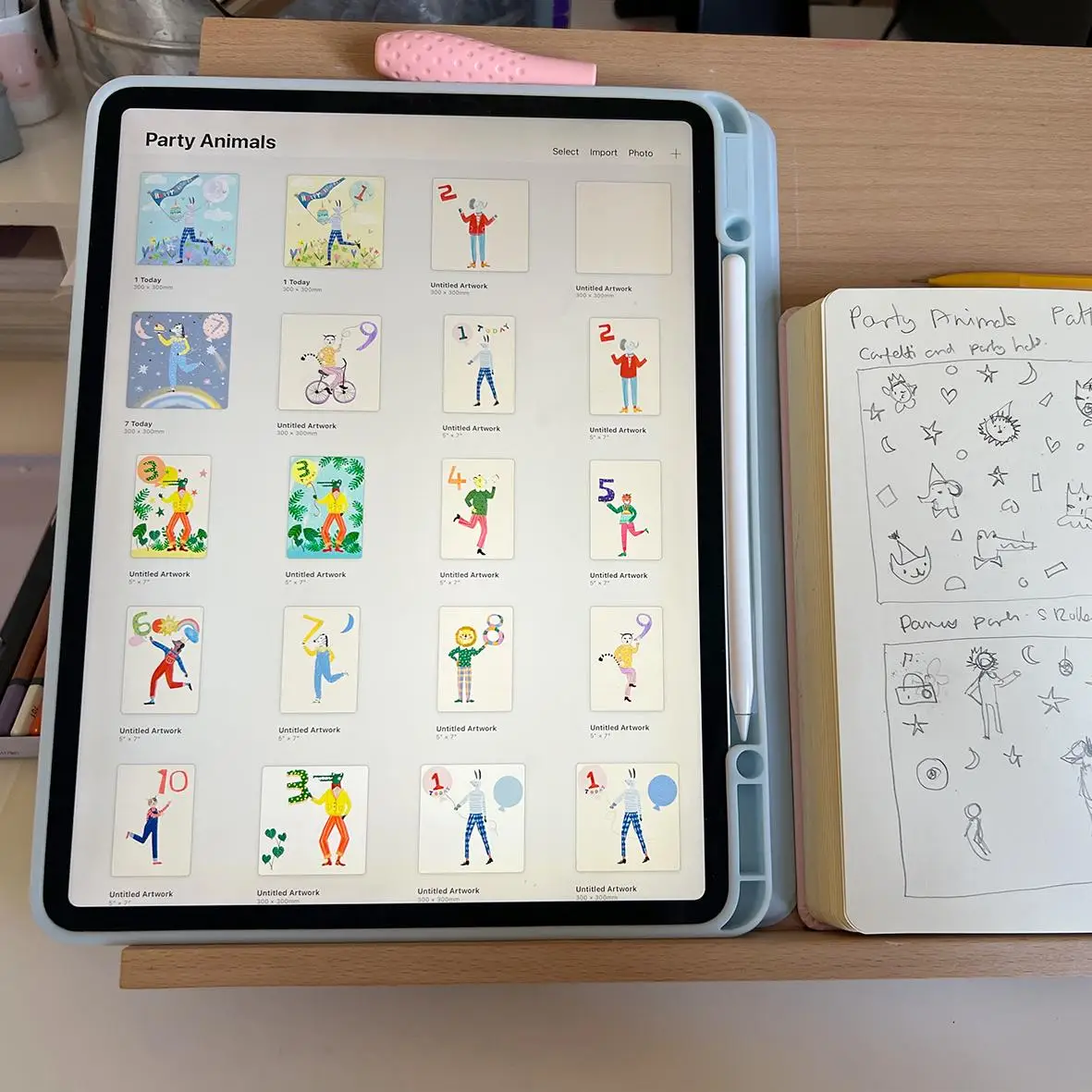
I start sketching in my messy sketchbook. After that, I play with my sketchbook and paint. I like to work analog first.
Then I move to my iPad, working in Procreate—I also love Fresco and Affinity Designer for vector designs. I’m more of a painterly person. I find vector art hard to work with, but sometimes you have to use it for client needs.
How does your process flow—from idea to finished print?
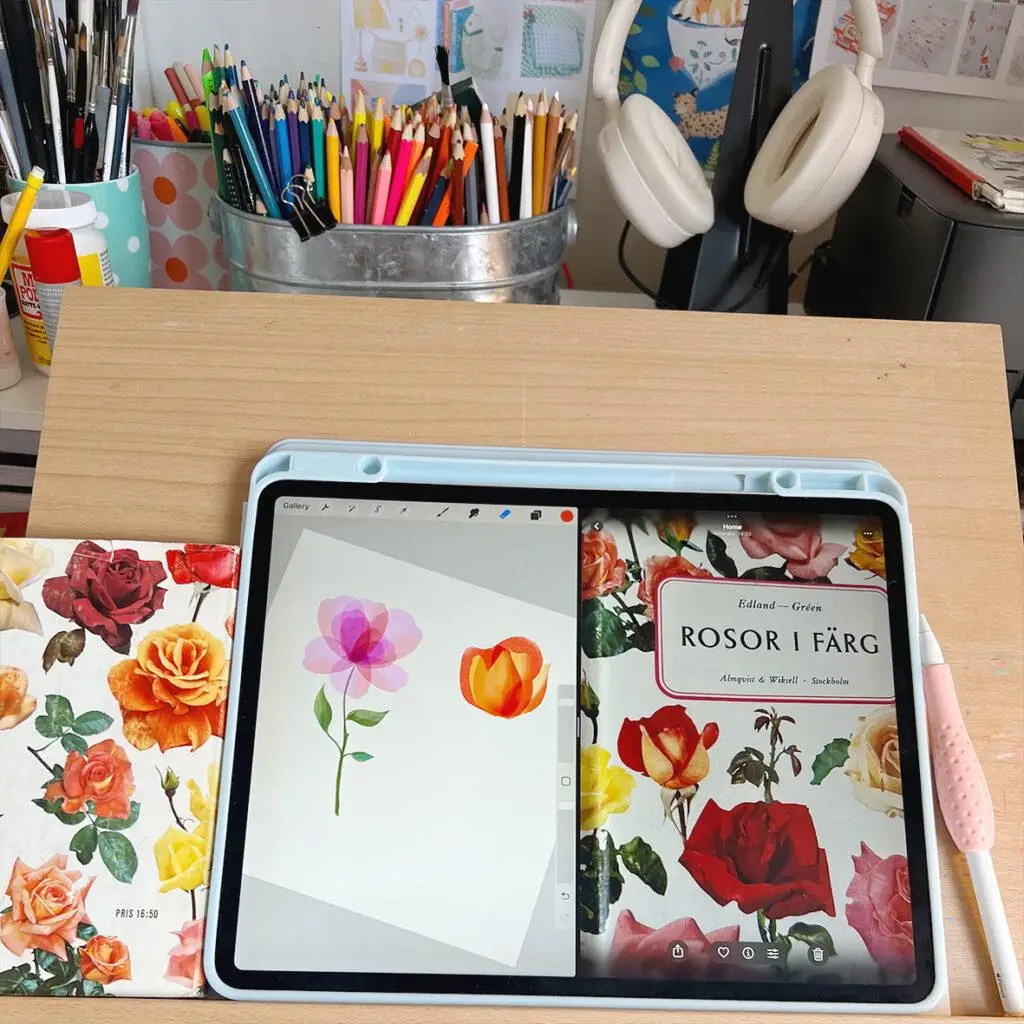
It’s taken me years to develop a creative workflow that works for me.
Research is really important—especially for the client you’re working for or pitching to.
I always start with research and inspiration. If I don’t sketch out ideas first, I get lost for hours. I find that making a list, sketching, then playing and finishing the design digitally is the best workflow for me.
I love the beginning of a project—the playing, drawing, painting, and experimenting phase. I also love seeing the final products with my designs made by a client.
Do you have any creative rituals or habits that help you get into the zone?
I find my best time to work is between 8 a.m. and 2 p.m. I try to work regular hours. Not every day is a creative day. When I do have a block of time to be creative, the first thing I do is make a coffee. I hide my phone. I put on my headphones and listen to music or a podcast. I try to do some work in my sketchbook and play. If I’m having a difficult day—feeling unfocused and procrastinating—I use a timer. After a few timed blocks, I find my rhythm and get into a good workflow.
TECHNIQUE & TOOLS
What role does colour play in your work, and how do you choose your palettes?
I love colour. People have complimented my sense of colour.
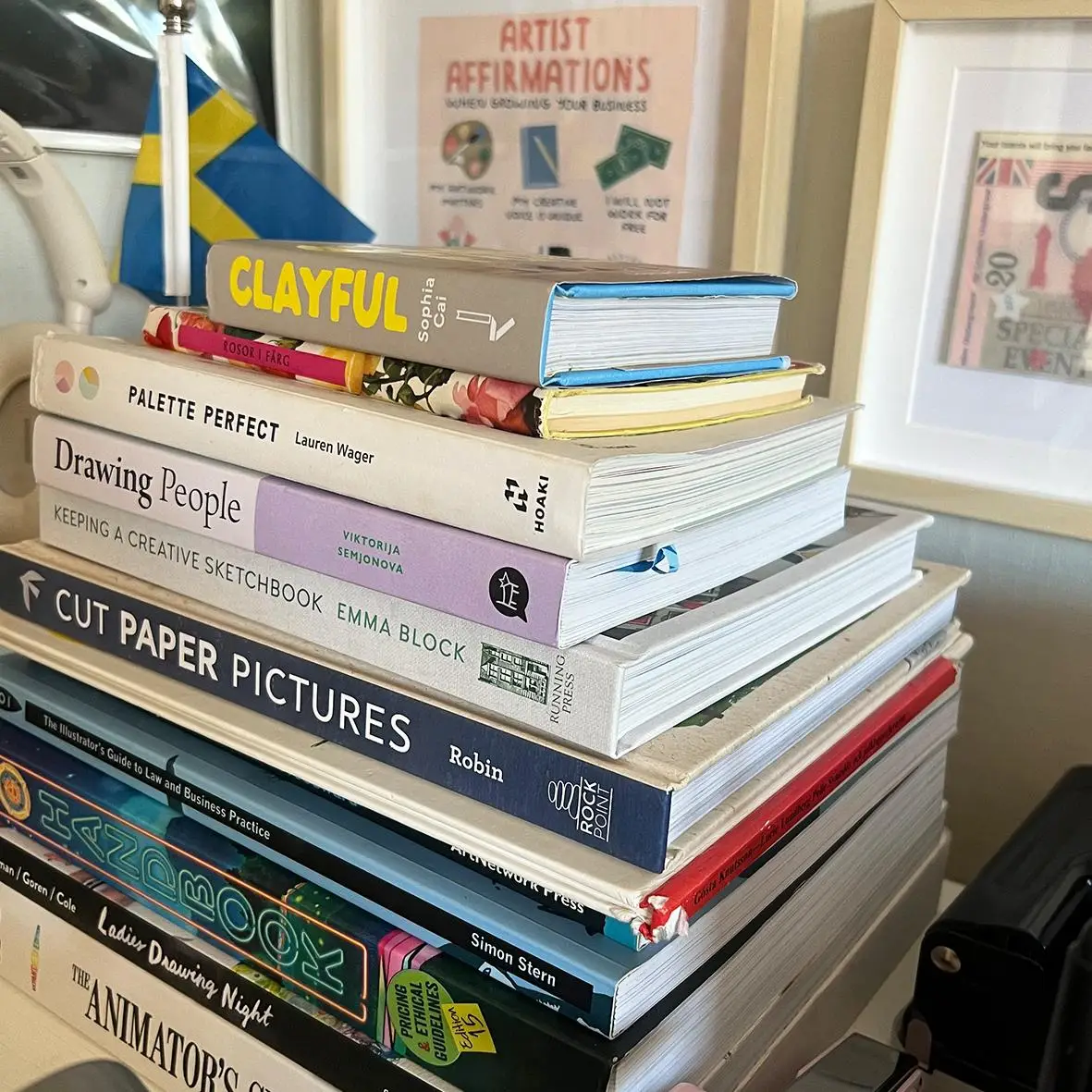
Colour inspiration can come from many things—a combination of objects in my studio, books, or Pinterest. I have a book I love and use all the time called “Palette Perfect” by Lauren Wager. She also has an Instagram account to follow.
I never get bored learning about colour. It can really make such a difference to our moods and how colour can help sell a product.
What are your favourite tools or mediums to work with?
My artwork is textural and painterly.
My favorite tools are sketchbooks by Royal Talens (I love the coloured covers), Gansai Tambi watercolours from Japan, coloured pencils, and Procreate for digital work. I’ve recently been using Adobe Fresco and Affinity Designer for vector art.
I just discovered this cool app called Pattern Draw, where you can play around with different pattern layouts and export them into Photoshop.
Do you prefer working by hand, digitally, or a mix of both? Why?
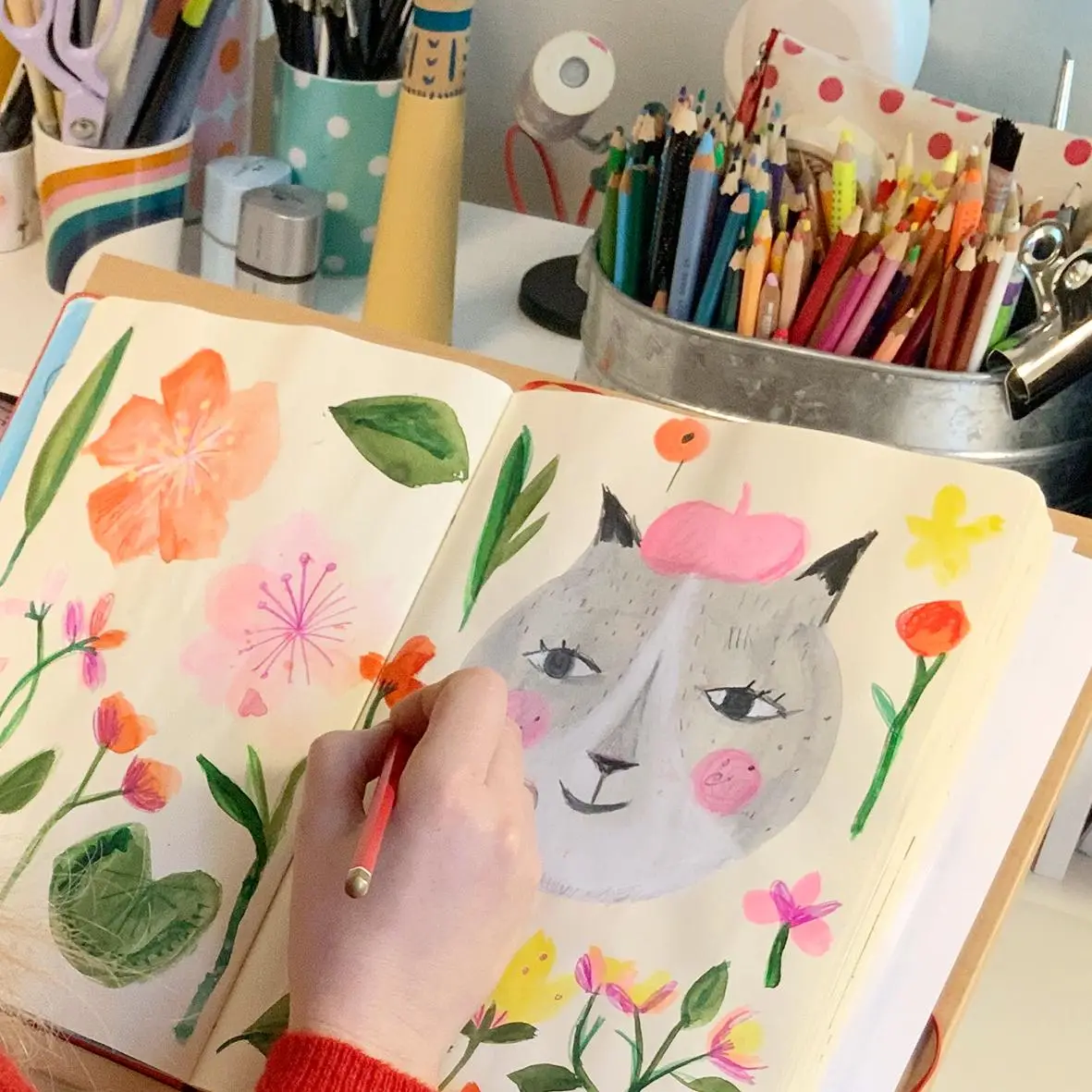
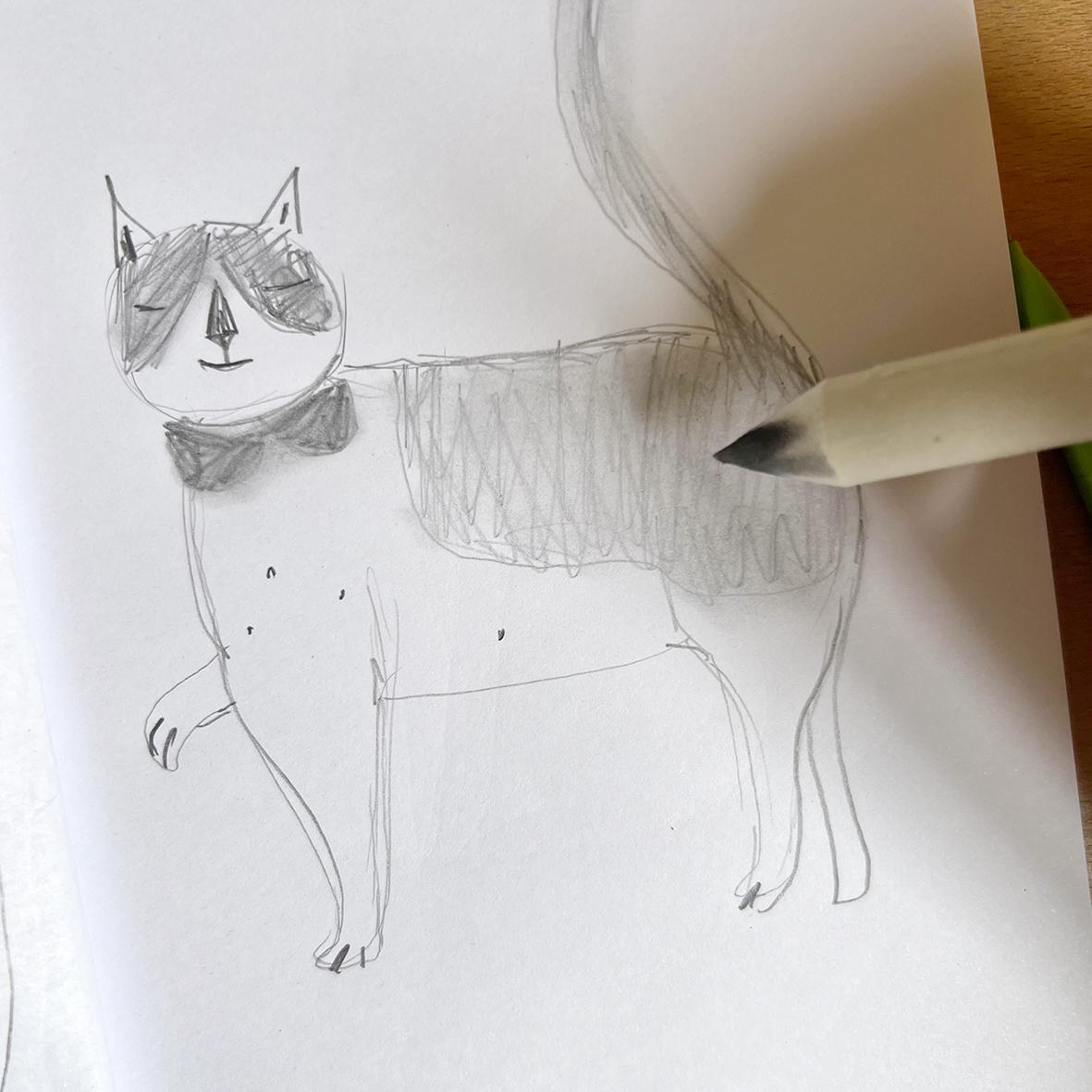
I love working with both. Working by hand is fun because you can’t fully control the process—you get wonderful textures and happy accidents. I also like to take my handmade art and finish it digitally in Procreate, where I can zoom in and add finer details.
Are there any techniques you love experimenting with or want to try next?
Digitally, I’m interested in exploring Affinity Designer. I just took a few classes on Skillshare. I find it so much easier to use than Adobe Illustrator.
I don’t have an art store in our town, but whenever I visit another town or city, I love to browse art stores and buy new supplies. It’s not the same as buying online—you need to hold that pen and try it out before you buy.
I love trying out new art supplies in my sketchbook. Play and experimentation are so important to growing your creative process.
Do you have some favorite work or project you want to share — and what makes it special to you?
This isn’t really a client project. I really loved taking part in teaching a pattern design workshop at the IKEA museum. The local art society arranged to work with the museum, and I taught five workshops along with another Swedish designer. It was so much fun — the age range was from 6 to 94.
My 94-year-old student said, “You are never too old to learn something new.” I found that so inspiring. It was just a great feeling to see people enjoy creating patterns and passing on your knowledge to them.
What are you currently working on or excited about?
I’m really excited to start some new projects in 2026, creating new patterns for The Pattern Agency.
2025 was a tough year for many creatives, myself included. But I’ve had to keep a positive mindset. I’ve been working in the creative industry for a long time—you never know when things can change from day to day.
I’m currently creating new artwork for my licensing portfolio through my UK-based agent.
If you could explore any colour, theme, or technique next, what would it be? And do you have a dream where you’d like to see your print in?
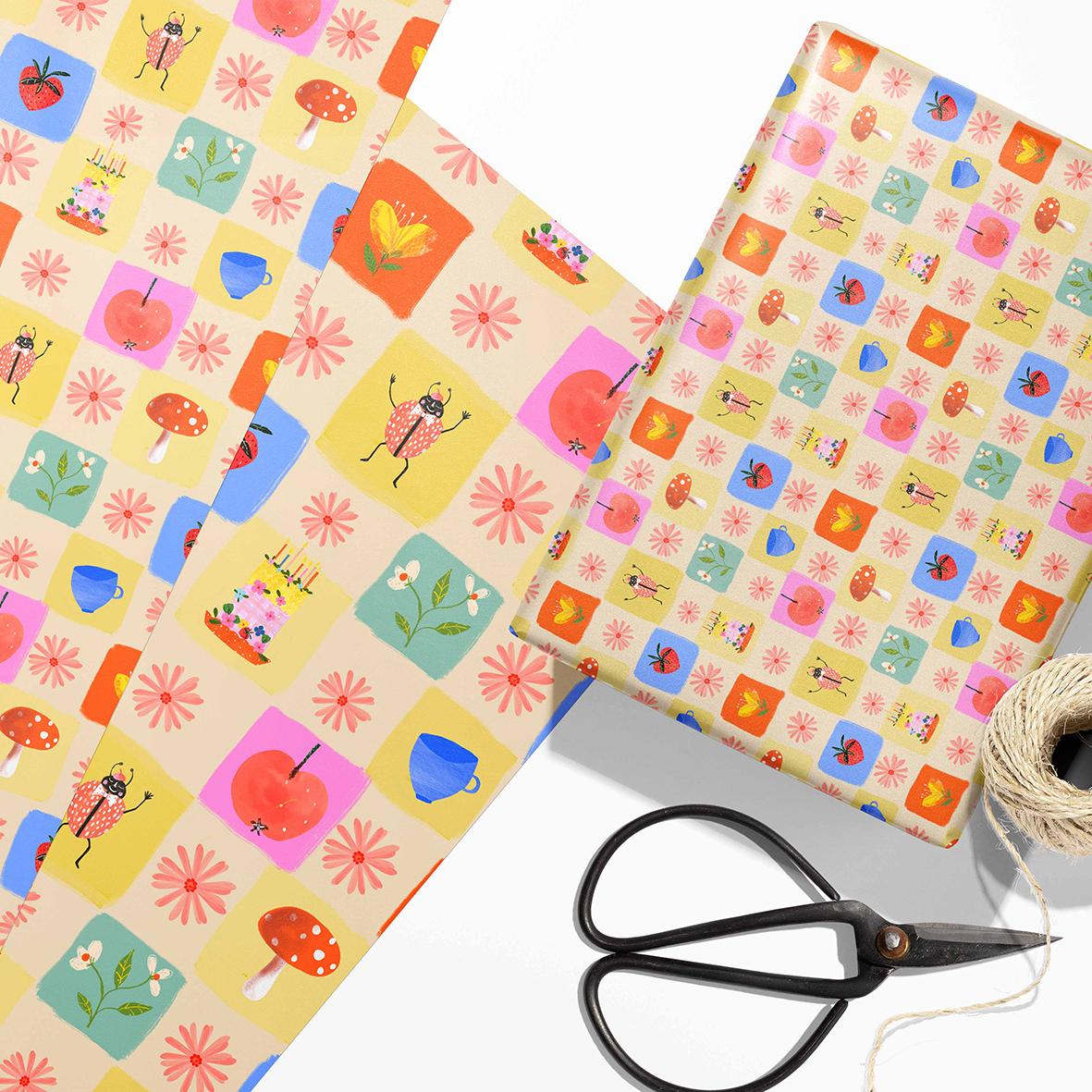
Right now, I see a trend of many fashion brands collaborating with illustrators. My dream would be to work with a big brand and create fun artwork for their products and stores. It would also be exciting to create my own stationery line—I’ve always loved stationery and paper products.
My goal is always to make people feel happy when they see my artwork.
For more of Susse’s work visit her website www.sussecollection.com or her instagram @Sussecollection https://www.instagram.com/sussecollection/